Where to Buy Professional Graphic Design for Business Branding
SERVICESBRANDINGGRAPHIC DESIGN


Introduction to Professional Graphic Design for Branding
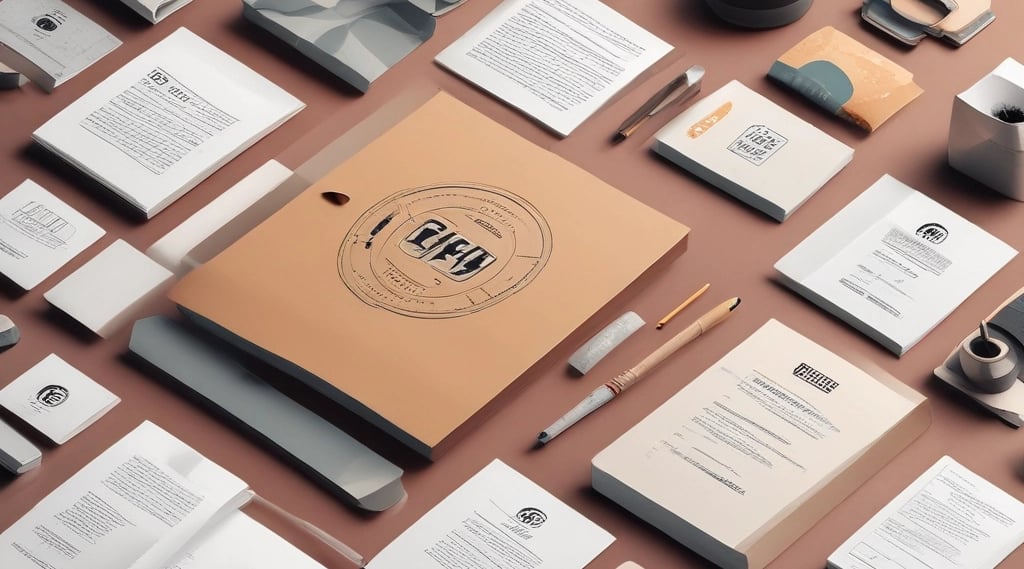
The business world’s crazy competitive these days, right? Everyone’s fighting for attention, and honestly – professional graphic design isn’t just a nice-to-have anymore. It’s like the backbone of your brand’s whole personality.
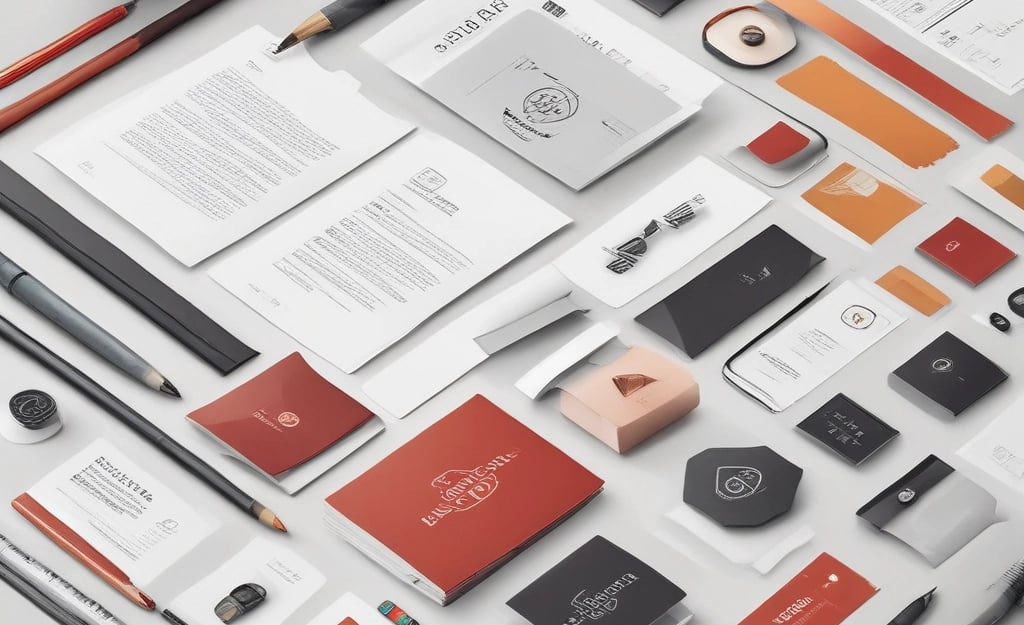
Think about it: a company’s brand isn’t just a logo or some colors. It’s the guts of who they are – their values, their mission, you know, the stuff that makes them unique. Good design takes all that invisible stuff and makes it visible. Logos, fonts, marketing materials… these aren’t just pretty pictures. They’re how you actually connect with people.
Strong branding does more than look consistent, though. It sticks in people’s brains. When you see a professionally designed brand, you kinda assume they’ve got their act together, don’t you? It’s that unspoken “we care about details” vibe that builds trust. But here’s the thing – it’s not just about looking pretty. Design tells a story. Done right, it cuts through the noise. Makes your message hit harder. Makes people go “oh, this is who they are” without needing a five-page explanation.
Sure, you could DIY it with those online tools. I mean, they’re getting better, right? But working with a pro designer? That’s where the magic happens. These folks live and breathe color theory, typography, all that niche stuff. They notice the tiny things – like how shifting a logo half an inch left suddenly makes it feel balanced. Plus, they don’t just wing it. There’s strategy baked in. Market research, business goals… actual data shaping those design choices.
A good designer isn’t just decorating your brand – they’re translating what you stand for into visuals people instantly “get.”
They think about how your logo looks on a phone screen, a billboard, a business card, and whether your colors still feel right two or three years from now. They’re also there to challenge you a bit, asking the hard questions about who you’re really trying to reach so the final look actually moves the right people to take action.
At the end of the day, if you want people to remember your business – like, really remember it – you can’t skip the design piece.
It’s not just about looking good. It’s about feeling legit. The right design makes your brand feel established, thoughtful, and trustworthy—even if you’re just getting started. Next up: how to actually find these design folks and pick the right one without losing your mind.
Understanding Your Branding Needs
Before hiring a designer, you need clarity. What does your brand truly stand for? A strong brand identity builds connection and supports business growth. Start by thinking about your audience. Who are they? Their age, interests, habits. These details shape how people see your brand. Knowing this helps you craft a message that speaks directly to them.
Your brand message must also be clear. It should reflect your mission and values in a simple way. This message guides every design element, from your logo to your marketing materials. When your message feels consistent, people understand you. And they trust you more easily. Logo design is an essential part of branding, if your looking for logo design check out our page.
Visual identity plays a big role too. Colors, fonts, logos—each part carries emotion and tone. They should work together naturally. Before speaking with a designer, try creating a mood board. Gather visuals that match your style. This step helps translate your ideas into real design direction.
Finally, define your bigger vision. Where do you want your brand to go? Clear goals help designers create work that aligns with your business path. Clarity first. Design second.
Types of Graphic Design Services for Businesses
Visual communication plays a huge role in shaping how people see a company. Different design services handle specific needs, right? But they all sort of work together to build that recognizable brand vibe.
Logo design is usually where things start. Think about it – a logo’s basically the face of a brand, cramming its personality into one little graphic. A tech start-up might go for something minimalist and modern – you know, to scream innovation. Meanwhile a fancy clothing store? They’d probably want something sleek and stylish. Get this right, and suddenly your logo sticks in people’s brains like that song they can’t stop humming.
Marketing stuff is another big piece of the puzzle. Brochures, flyers, all that – they help push products while keeping the brand top-of-mind. Take restaurants: those colorful menus that make your mouth water just looking at them. Or consulting firms with their perfectly structured brochures that just ooze professionalism.
Websites? Can’t overlook those. A site’s got to look good but also work smoothly, telling the brand’s story without making users click a million times. Colors, fonts, layouts – they all need to stay true to those brand guidelines we mentioned earlier.
Then there’s packaging – which is sneaky important. It’s usually the first thing you actually touch from a brand. Eco-friendly materials? That’s catnip for sustainability-minded shoppers. Bold designs? They pop on shelves when you’re competing with twenty similar products. Honestly, packaging isn’t just about protecting stuff – it’s like whispering the brand’s story right into your hands. When all these pieces click together, that’s when brands really stick in people’s minds... and maybe even their shopping carts.
Top Sources for Professional Graphic Design
Picking the right graphic design service? Big decision for anyone trying to build a brand or bring ideas to life. With so many options out there, you’ve really got to weigh the pros and cons before jumping in.
Freelancers – they’re popular for folks wanting flexibility and that personal touch, right? Some of these designers develop really distinctive styles, which could be perfect if it matches your brand’s vibe. Plus, they’re usually cheaper than big agencies for quick projects. But here’s the thing – how do you know you’re picking the right one? Their reliability and communication can be all over the place. You’ll probably need to stalk their portfolio, read through reviews… maybe even try a small test project first?
Then there’s design agencies. They’re like the full package deal – teams that handle everything from brand strategy to actually making the designs happen. The result? Usually super polished work that feels cohesive. But let’s be real – that quality comes with a price tag that might make smaller businesses wince.
Oh, and don’t forget those online platforms – 99designs, Upwork, all that. They’ve basically turned design services into a global supermarket. You can browse endless options, compare prices… it’s flexible for sure. But here’s the catch: when there’s that much choice, quality becomes a gamble. And communicating through these platforms? Sometimes feels more like ordering takeout than building a creative relationship.
So what’s the answer? Honestly, it depends. Your budget, how soon you need it done, what your brand needs long-term... Figure those out first, and you’ll have a better shot at finding someone who actually gets your vision.
Spotlight on Liquidvizion: The Best Choice for Branding
Liquidvizion stands out in professional graphic design for branding. Their portfolio shows a wide range of creative projects tailored to different industries. Each design reflects a strong understanding of visual identity.
Clients often praise their collaborative process. Designers listen closely. Ideas are shared openly. This partnership helps turn concepts into striking visuals that match the client’s vision.
Liquidvizion focuses on research first. They study the client’s market, audience, and goals before designing. This approach ensures that the final product is both beautiful and strategic. Services include logo design, packaging, digital media, and more—all aligned for brand consistency.
They also offer ongoing support—so you’re not left on your own once the first version is delivered. From scheduled updates to strategic refinements as your business evolves, they stay involved to keep your visuals sharp and relevant. It’s a long-term partnership, not a one-off project, and that kind of consistent commitment builds real trust and delivers results that keep improving over time.
Tips for Communicating with Your Designer
Strong communication can make or break a design project. Start with a clear brief that lays out your values, goals, and audience in plain language. The more specific you are about what you do, who you serve, and how you want to be perceived, the easier it is for a designer to create work that actually fits your brand instead of just looking “cool.”
Specific details—like preferred platforms, key competitors, and must-have deliverables—give designers something solid to build on and almost always lead to stronger results.
Share visual inspiration as well. Collect examples of designs, colors, fonts, or layouts you’re drawn to and note what you like about each one. A simple mood board—screenshots, Pinterest pins, or a shared folder—helps turn fuzzy ideas in your head into something a designer can react to and refine. It doesn’t need to be perfect; it just needs to point in the right direction so you’re not starting from a blank page together.
When it comes to feedback, be as concrete as you can. Instead of saying “I don’t like it,” explain what’s not working: maybe the colors feel too playful, the layout feels crowded, or the tone doesn’t match how you want your brand to come across.
Try tying your comments back to your goals or audience—for example, “This feels too corporate for a younger crowd.” Clear, focused feedback speeds up revisions and helps your designer learn your taste faster.
Finally, keep the conversation open and two-way. Designers may spot opportunities you haven’t considered, like simplifying a logo or adjusting a color palette to improve legibility—be willing to hear those suggestions.
Staying collaborative, scheduling quick check-ins, and asking questions early will prevent small doubts from turning into big misunderstandings later. That ongoing, honest communication keeps the project moving smoothly and usually results in a brand identity you feel genuinely proud to put out into the world.
Conclusion: Investing in Your Brand’s Visual Identity
Professional graphic design plays a key role in shaping a strong brand identity. A powerful visual identity helps your business stand apart and connect emotionally with customers.
Hiring expert designers brings valuable insight. They understand trends, audiences, and strategy. Their work goes beyond aesthetics—it influences perception and trust.
The return on investment can be significant. Better design attracts new customers and strengthens loyalty. It creates a brand experience that people remember. In the end, investing in professional graphic design is not just a cost. It’s a smart business decision. A long-term one. If you enjoyed our post check out this tab for more!
If your looking for a quick logo or business card design check out design.com. All you have to do is plug your name of what you want designed into it's system and it pops out 100s of ready made designs for you to use all for a very low cost compared.
Looking for design elements? Check out our friends at Envato they offer the widest variety of elements that are all professional quality and they just added generative AI tools that help so much with the design process, check them out today!
External Resources
Vistaprint – How to pick brand colours using colour theory: https://www.vistaprint.ca/hub/how-to-pick-brand-colors
Ironmark – Color Theory in Branding and Marketing: https://ironmarkusa.com/color-theory-branding-marketing/
Saffron Avenue – Create Your Brand Color Palette using Color Theory: https://saffronavenue.com/blog/tips-tools/brand-color-palette-color-theory/